
A simple and practical guide to getting your body ready for a smoother IVF journey.
Preparing for IVF (In Vitro Fertilization) is not just about medical procedures—it’s also about how you take care of your body and mind before the treatment begins. Many couples focus only on clinical aspects, but small daily habits like what you eat, how you sleep, and your lifestyle choices can play an important role in overall well-being during IVF.
If you’re planning to start your IVF journey, this guide will help you understand how to prepare your body with the right diet, sleep routine, and lifestyle adjustments in a realistic and manageable way.
Why Preparing Your Body for IVF Matters
Your body works best when it feels balanced and supported.
IVF involves hormonal changes, medical procedures, and emotional ups and downs. When your body is well-nourished and rested, it may respond better to treatment and recovery.
Preparing in advance can help:
- Improve overall health
- Support hormonal balance
- Reduce stress levels
- Enhance energy and recovery
Even small changes, when done consistently, can make a difference.
Diet Tips to Prepare Your Body for IVF
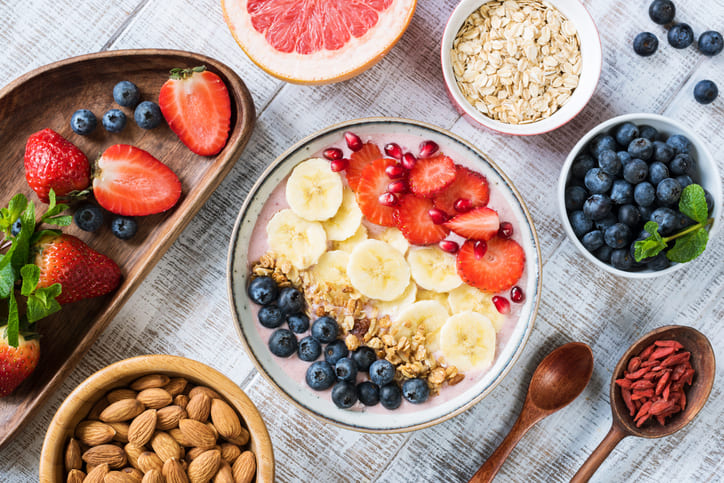
What you eat daily builds the foundation for your health.
A balanced diet is one of the most important steps when preparing for IVF. The goal is not strict dieting but nourishing your body with the right nutrients.
Focus on Whole and Fresh Foods
Natural foods provide essential vitamins and minerals.
Include:
- Fresh fruits and vegetables
- Whole grains like brown rice and oats
- Nuts and seeds
- Lean proteins such as dal, paneer, eggs, or chicken
Avoid heavily processed foods as much as possible.
Add Fertility-Supporting Nutrients
Certain nutrients are commonly associated with reproductive health.
- Folic acid: Found in leafy greens and citrus fruits
- Iron: Present in spinach, legumes, and beetroot
- Omega-3 fatty acids: Found in walnuts and flaxseeds
- Protein: Helps support overall body functions
These nutrients help your body stay strong during IVF treatment.
Stay Hydrated
Water plays a key role in maintaining overall health.
Drink enough water throughout the day. You can also include coconut water, fresh juices, or herbal drinks for variety.
Limit Caffeine and Sugar
High caffeine and sugar intake may affect your overall balance.
Try to:
- Reduce tea and coffee intake
- Avoid sugary drinks and snacks
Moderation is key—you don’t have to eliminate everything at once.
Sleep: The Most Underrated Factor
Good sleep supports both physical and emotional health.
Many people underestimate how important sleep is when preparing for IVF. Your body repairs and balances hormones during rest, making sleep essential.
Maintain a Consistent Sleep Schedule
Go to bed and wake up at the same time daily.
This helps regulate your internal clock and improves sleep quality.
Create a Relaxing Night Routine
Simple habits can improve how quickly you fall asleep.
- Avoid screens before bedtime
- Keep lights dim in the evening
- Listen to calm music or read a book
Aim for 7–8 Hours of Sleep
Quality matters more than quantity.
Deep, uninterrupted sleep helps your body recover and stay balanced.
Lifestyle Changes to Support Your IVF Journey
Small daily habits can create a big impact.
Your lifestyle plays a major role in how your body responds to IVF treatment.
Stay Physically Active
Light exercise can improve blood flow and reduce stress.
You can try:
- Walking
- Yoga
- Stretching exercises
Avoid intense workouts unless advised by your doctor.
Manage Stress Effectively
IVF can be emotionally challenging.
Try simple stress-management techniques:
- Meditation
- Deep breathing exercises
- Talking to a trusted friend or partner
Keeping your mind calm is just as important as physical health.
Avoid Smoking and Alcohol
These habits may negatively impact overall health.
If you smoke or drink, it’s best to reduce or stop before starting IVF.
Maintain a Healthy Weight
Both underweight and overweight conditions can affect hormonal balance.
Focus on gradual, healthy changes rather than extreme dieting.
Preparing Emotionally for IVF
Your mental well-being matters just as much.
IVF is not only a physical journey but also an emotional one. It’s normal to feel anxious, hopeful, or even overwhelmed.
Set Realistic Expectations
Understand that IVF outcomes can vary.
Being mentally prepared helps you handle ups and downs better.
Build a Support System
Surround yourself with supportive people.
This can include:
- Your partner
- Family members
- Support groups
Take Breaks When Needed
Don’t hesitate to pause and take care of yourself.
Self-care is an important part of the process.
Things to Avoid Before Starting IVF
Being aware helps you make better choices.
- Excessive caffeine consumption
- Processed and junk foods
- Lack of sleep
- High stress levels
- Self-medication without professional advice
Avoiding these can help your body stay in better condition for treatment.
Creating a Simple Daily Routine
Consistency is more important than perfection.
A balanced routine may include:
- Healthy meals at regular times
- Light physical activity
- Adequate hydration
- Relaxation time
- Proper sleep
You don’t need to follow a perfect schedule—just aim for consistency.
Conclusion
Prepare your body with care and patience.
Getting ready for IVF is a journey that goes beyond medical treatment. By focusing on a healthy diet, proper sleep, and balanced lifestyle habits, you can create a supportive environment for your body.
Remember, you don’t need to make drastic changes overnight. Start small, stay consistent, and listen to your body. With the right preparation and mindset, you can approach your IVF journey with more confidence and clarity.